2017年6月30日金曜日 - 


Luke: What makes the seasons in Japan enjoyable?
 It's
really rather hot. It's already the kind of hot that would lead most British people
to make, with all possible haste, for the nearest beach, paddling pool or garden hose. Twenty
five degrees and counting as I write this, and it will be many months before we begin counting
down. By which point I may well have melted, returning, without my dignity, to water;
from which the human body is apparently predominantly comprised. However, it
is not actually my intention to complain about the weather here. Of course I
enjoy complaining about the weather, most British people do, and we're good at
it. It may in fact be the one thing we're better than average at – our 'special
talent,' you could say, that and apologizing for things that aren't our fault.
But, no, my plan here is to say a little about what makes the seasons in Japan
so enjoyable, and so special – in spite of the frankly sometimes nauseating humidity that
we must all endure in summer.
It's
really rather hot. It's already the kind of hot that would lead most British people
to make, with all possible haste, for the nearest beach, paddling pool or garden hose. Twenty
five degrees and counting as I write this, and it will be many months before we begin counting
down. By which point I may well have melted, returning, without my dignity, to water;
from which the human body is apparently predominantly comprised. However, it
is not actually my intention to complain about the weather here. Of course I
enjoy complaining about the weather, most British people do, and we're good at
it. It may in fact be the one thing we're better than average at – our 'special
talent,' you could say, that and apologizing for things that aren't our fault.
But, no, my plan here is to say a little about what makes the seasons in Japan
so enjoyable, and so special – in spite of the frankly sometimes nauseating humidity that
we must all endure in summer.
Whenever I’m asked what I enjoy most about
Japan, many things come to mind and it's difficult to put my finger on one
particular thing. However, near the top of the list is always the seasons here.
 Each one
is so wonderfully distinct; in spring we can enjoy beautiful and ubiquitous blossom of various hues. Summer
brings the aforementioned humidity, and even that has a certain kind of charm
and appeal if, like me, you are used to summer being so fleeting it can often
feel as though it never really occurred at all. The lush greens of
summer here are also such a wonderful transformation. It may be my imagination,
but the contrast here between the barrenness of winter and
Japan's verdant summer seems more stark than in England. And I will likely never tire of the fact that, here
in Japan, I don't need to wear a sweater for five or six months a year. Then
autumn brings red foliage that really rivals spring in terms of beauty, as well as some welcome respite from the heat
of summer. And winter is cold, and cold is good. Cold is especially good if you
like winter sports. I don't particularly, but I do enjoy being cozy inside when
it's very cold outside, and I do enjoy wearing scarves.
Each one
is so wonderfully distinct; in spring we can enjoy beautiful and ubiquitous blossom of various hues. Summer
brings the aforementioned humidity, and even that has a certain kind of charm
and appeal if, like me, you are used to summer being so fleeting it can often
feel as though it never really occurred at all. The lush greens of
summer here are also such a wonderful transformation. It may be my imagination,
but the contrast here between the barrenness of winter and
Japan's verdant summer seems more stark than in England. And I will likely never tire of the fact that, here
in Japan, I don't need to wear a sweater for five or six months a year. Then
autumn brings red foliage that really rivals spring in terms of beauty, as well as some welcome respite from the heat
of summer. And winter is cold, and cold is good. Cold is especially good if you
like winter sports. I don't particularly, but I do enjoy being cozy inside when
it's very cold outside, and I do enjoy wearing scarves. 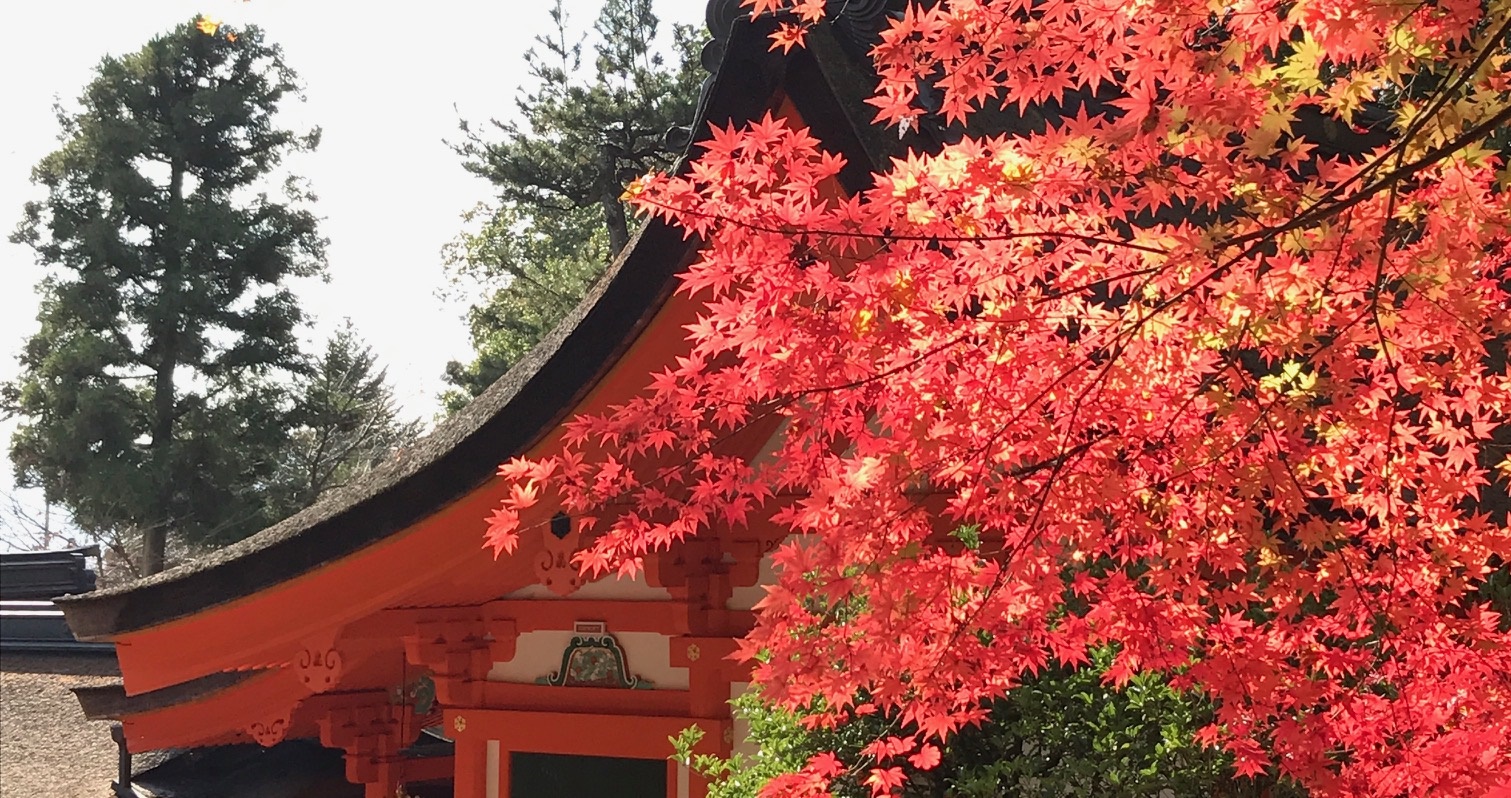 We don't have this kind of clarity in
England, each and every year you can hear the same kind of comments: “Is it
spring or summer?” “Has summer finished now?” “Is it winter?” “It was cold
yesterday but the weatherman said tomorrow might be warm.” No one is ever
really sure in England. There is rarely such confusion in Japan. To my mind,
this has a pretty tangible impact on my perception of time, specifically on how I perceive its passing.
Such clearly demarcated seasons make the passage of time so much more apparent to me. It's a
strange kind of feeling, one that I perhaps have not explained well, but one
that I enjoy immensely nonetheless.
We don't have this kind of clarity in
England, each and every year you can hear the same kind of comments: “Is it
spring or summer?” “Has summer finished now?” “Is it winter?” “It was cold
yesterday but the weatherman said tomorrow might be warm.” No one is ever
really sure in England. There is rarely such confusion in Japan. To my mind,
this has a pretty tangible impact on my perception of time, specifically on how I perceive its passing.
Such clearly demarcated seasons make the passage of time so much more apparent to me. It's a
strange kind of feeling, one that I perhaps have not explained well, but one
that I enjoy immensely nonetheless.
rather:幾分
haste:急いで
paddling:水遊びをする
dignity:尊厳
predominantly:圧倒的に
comprised:構成されている
nauseating:不愉快な
distinct:違いがはっきりしている
ubiquitous:至るところにある
various hues:色とりどりの
fleeting:つかの間の
as though:ちょうど
lush:青々とした
barrenness:不毛
verdant:新緑の
stark:際立っている
foliage:木を覆う葉
rivals:張り合う
in terms of:~において
respite:ひと休み
cozy:ほっこりする
tangible:はっきりと感知できる
perceive:知覚する
demarcated:区別される
immensely:非常に
nonetheless:それにもかかわらず